

Transforming Analytical Science
From Manual Calculations to Standardized Workflows
We create tools for pharmaceutical scientists that simplify complex calculations, automate workflows, and standardize analytical work.
Automate the Calculations. Eliminate Manual Errors. Make Decisions Faster.
Coming Soon: Dissolution Analytics
The Excel add-in for dissolution analysis
We’re building a faster, more reliable way to analyze dissolution data, transforming manual calculations to standardized workflows
Join the Early Access List
Be among the first to try the Dissolution Analytics Suite and receive exclusive launch pricing.
Pharmaceutical | Analytical | Quality Control | R&D Laboratories
Scientific Tools
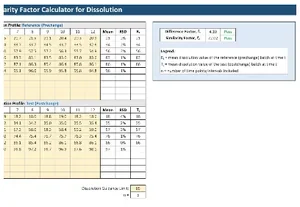
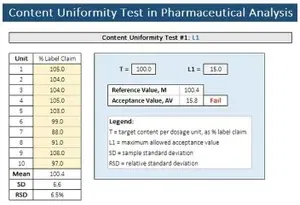
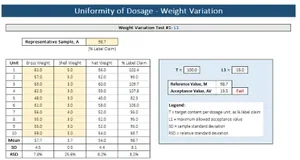
Want more tools like these? Join the email list for updates and free resources.
Why Scientists Use Excel in Science
Validated Excel spreadsheets
Minimizes manual calculation errors
Ready for QC and analytical workflows
No need to build spreadsheets from scratch
Resources for Scientists
-

How to Calculate Void Volume in HPLC
The void volume is the volume that the mobile phase occupies in a column. Quickly calculate your column’s void volume using our FREE Excel template!
-
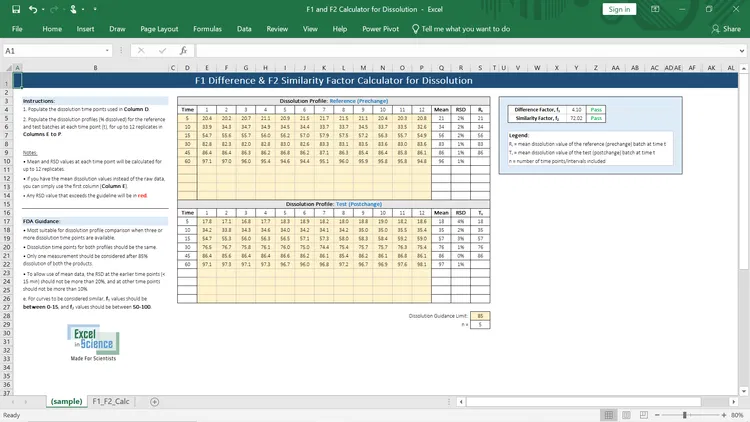
How to Determine f1 Difference & f2 Similarity Factors in Dissolution Testing
Learn how to calculate the f1 and f2 factors for dissolution testing. Download a free Excel template you can use!
-

Content Uniformity in Pharmaceutical Analysis
To ensure the consistency of dosage units, it is crucial that each unit in a batch contains a drug substance content that falls within a narrow range around the label claim.
Start Using Validated Scientific Excel Tools
Subscribe for updates and free Excel tools